

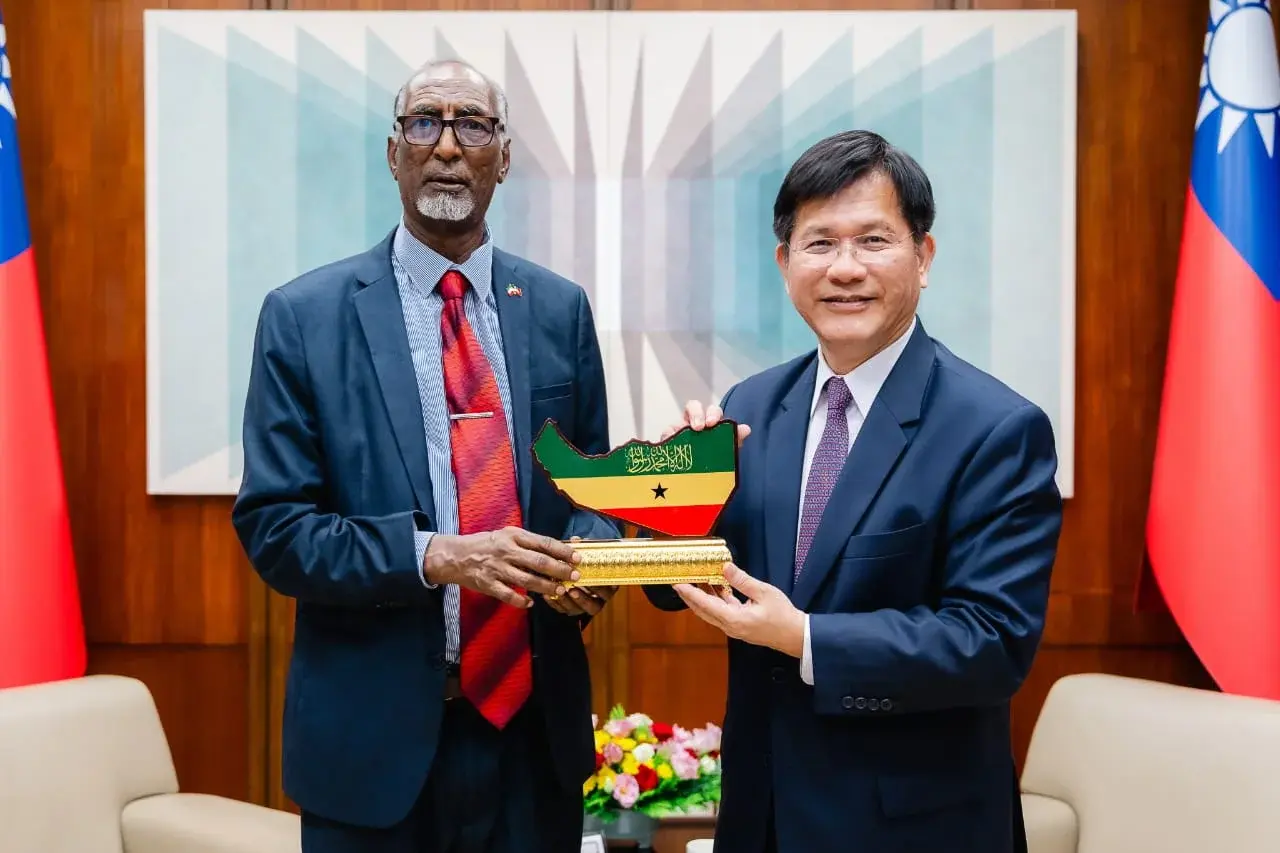
Taiwan and Somaliland established reciprocal representative offices in 2020, creating a framework for cooperation in healthcare, education, agriculture, energy and information technology. Subsequent programmes have combined financial commitments with technical missions, scholarships and professional training.
Taiwan’s contribution must be assessed through the full range of resources it brings to Somaliland. Cash grants are one part of that support. Medical personnel, equipment, technical missions, digital systems, agricultural expertise and professional education also have economic and institutional value. A comparison confined to cash allocations leaves much of this contribution uncounted.
A comparison confined to cash allocations leaves much of this contribution uncounted.
The Somaliland Development Fund’s first two phases received US$60 million for 2013–2018 and US$58 million for 2018–2025 from the United Kingdom, Denmark, the Netherlands and Norway. These programme totals span more than a decade. Comparing them with selected recent Taiwanese grants gives an incomplete picture: a sound comparison must cover the same period and include financial and in-kind assistance on both sides.
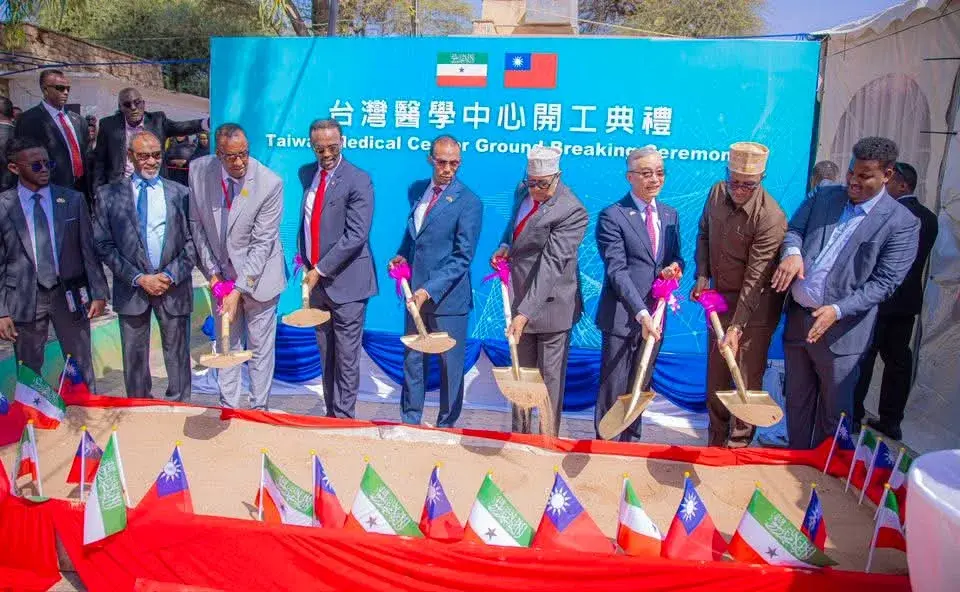
Taiwan committed US$22 million to the Taiwan Medical Center at Hargeisa Group Hospital. Somaliland’s Ministry of Health describes a project with 97 beds, intensive-care capacity, emergency facilities and a pharmacy. Its full benefit will depend on completing the facility and ensuring that equipment, skilled staff and operating resources are available.
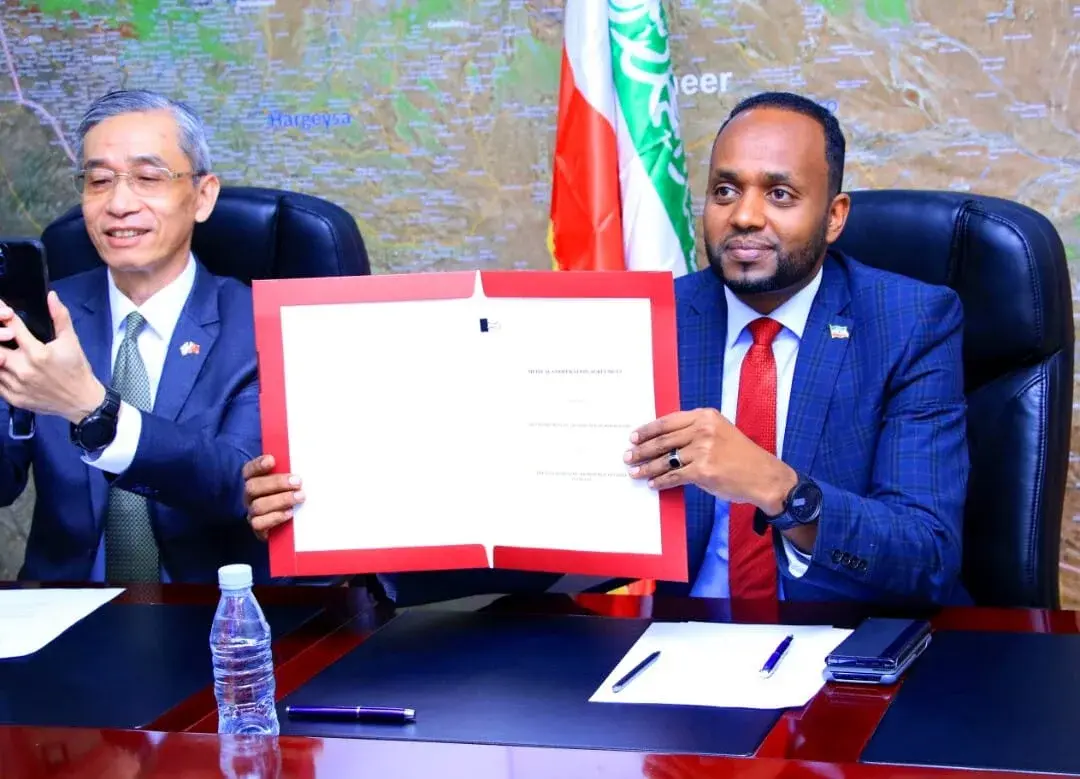
The medical cooperation agreement signed in June 2021 helped establish a long-term medical mission, which began operations in 2022. Taiwan’s official development white paper records professional capacity building, rural free clinics and public-health research, as well as 150,000 COVID-19 vaccine doses donated in January 2022. These earlier activities form part of the partnership’s wider health programme.
TaiwanICDF’s programmes have addressed maternal and infant healthcare, hospital information management and public-health emergency response. Helping local staff manage patient information and organise services complements the investment in physical facilities and supports the daily operation of the health system.
Taiwan’s agricultural cooperation includes a fruit and vegetable project. The project implemented between 2021 and 2025 established a two-hectare demonstration farm and supplied 439,712 seedlings. TaiwanICDF reports assistance to 200 farmers establishing drip irrigation systems and improved cultivation methods promoted across 483 hectares. It also supported extension staff, farmer groups and women involved in produce marketing. These activities support irrigation, cultivation and agricultural extension.
Cooperation in ICT has a similar purpose. E-government support, Government Data Center and Information Security Enhancement Project address the systems on which public administration increasingly depends. Somaliland needs officials who can manage information, protect public records and maintain digital services. Taiwan’s technical partnership gives Somaliland’s institutions access to relevant expertise, with an opportunity to build the local skills needed to sustain that progress.
Scholarships give young Somalilanders access to universities, professional networks and specialist knowledge. A January 2026 Global Taiwan Institute assessment reported approximately 180 scholarship and fellowship beneficiaries across the wider partnership, a cumulative figure extending beyond the past two years. The next challenge is to connect returning graduates with jobs and responsibilities where their education can serve the country.
Security scholarships have created opportunities for officers and leaders in Somaliland’s National Army and police. In March 2025, seven military and police officers have received Taiwan Security Scholarships. Established in 2023, the programme expanded to include police officers in 2025. Earlier recipients included the military chief of staff and the head of military operations.
There is also a concrete example of that professional development. In August 2026, Colonels had graduated from the Army Command and Staff College at Taiwan’s National Defense University. Opportunities of this kind matter because capable security institutions depend on educated officers and responsible leadership. For Somaliland, the goal should be professional forces that protect citizens, respect the law and serve under accountable civilian authority.
Maritime cooperation broadens that security relationship. Taiwan and Somaliland signed a coast guard cooperation agreement on 24 July 2025. Taiwan’s foreign ministry subsequently identified maritime security, combating smuggling and illegal fishing, and developing the blue economy as policy goals of this cooperation. For Somaliland, a coastline brings opportunities alongside responsibilities. Stronger maritime institutions can help protect livelihoods and support safer trade, while giving practical substance to Somaliland’s role in the Gulf of Aden and the wider Red Sea region.
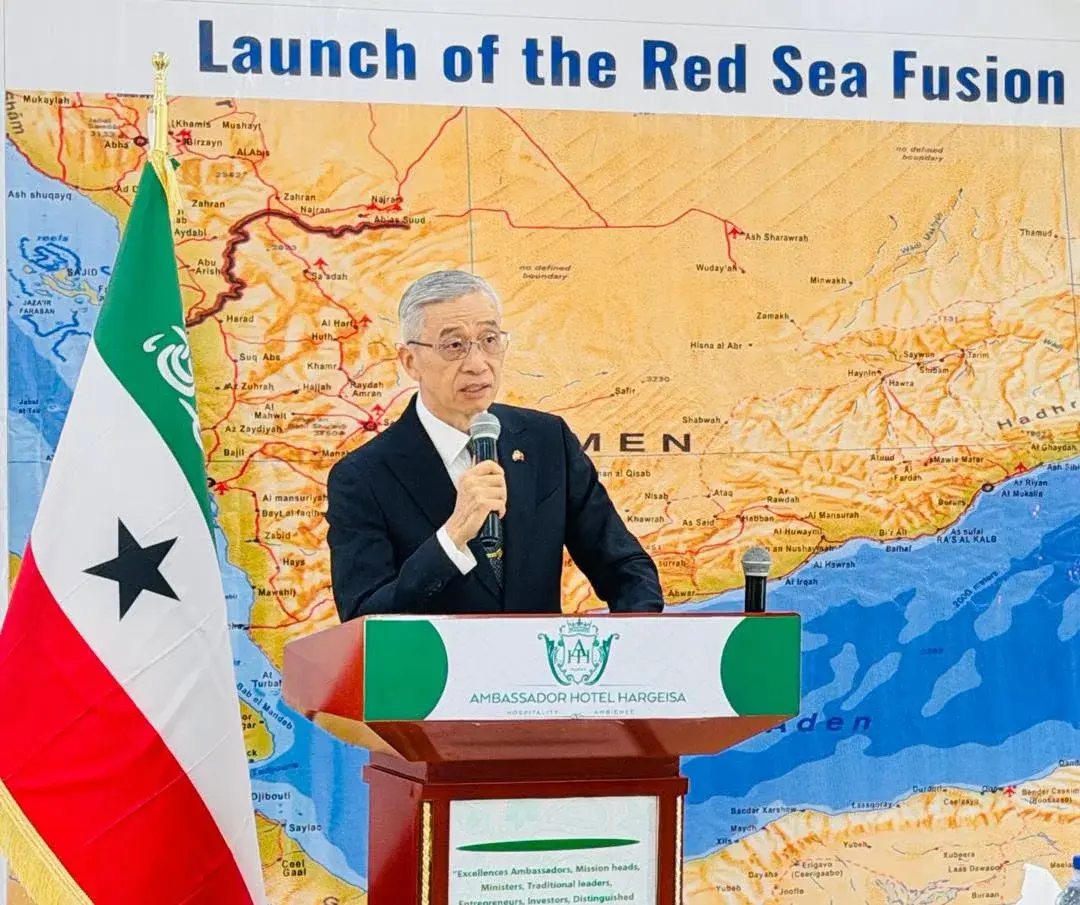
Taiwan announced US$2 million to support Somaliland’s 2024 presidential and political party elections. For a country whose democratic progress depends on credible electoral administration and public confidence, this was a meaningful contribution to the process through which citizens chose their leadership.
Taiwan donated US$2 million in humanitarian assistance in 2023, followed by a food handover that included 300 tonnes of rice and other provisions. Some of the financial assistance funded that package, so the two should not simply be added together. A further US$2.5 million humanitarian and rehabilitation grant were donated in June 2025.
Economic cooperation adds another dimension. CPC Corporation’s December 2021 agreement with Genel Energy secured a 49 percent working interest in the SL10B/13 exploration block. This opened a Taiwanese commercial role in Somaliland’s energy sector. Exploration remains a commercial undertaking, separate from aid, and future production depends on discoveries and viability.
Taiwan’s record demonstrates why its contribution carries substantial weight in Somaliland’s development. Its engagement combines major healthcare commitments with the transfer of knowledge, humanitarian assistance, democratic support and security education. Recognising that breadth gives a fuller account of the relationship than a comparison of grant figures alone.
Somaliland should give this contribution clear recognition and turn it into lasting national capability. Completing the medical center, maintaining digital infrastructure and enabling trained graduates and officers to apply their skills are practical priorities. Publishing the value and results of both cash and in-kind assistance would also make future comparisons more precise.
Taiwan’s documented support already provides a strong basis for deepening the partnership.